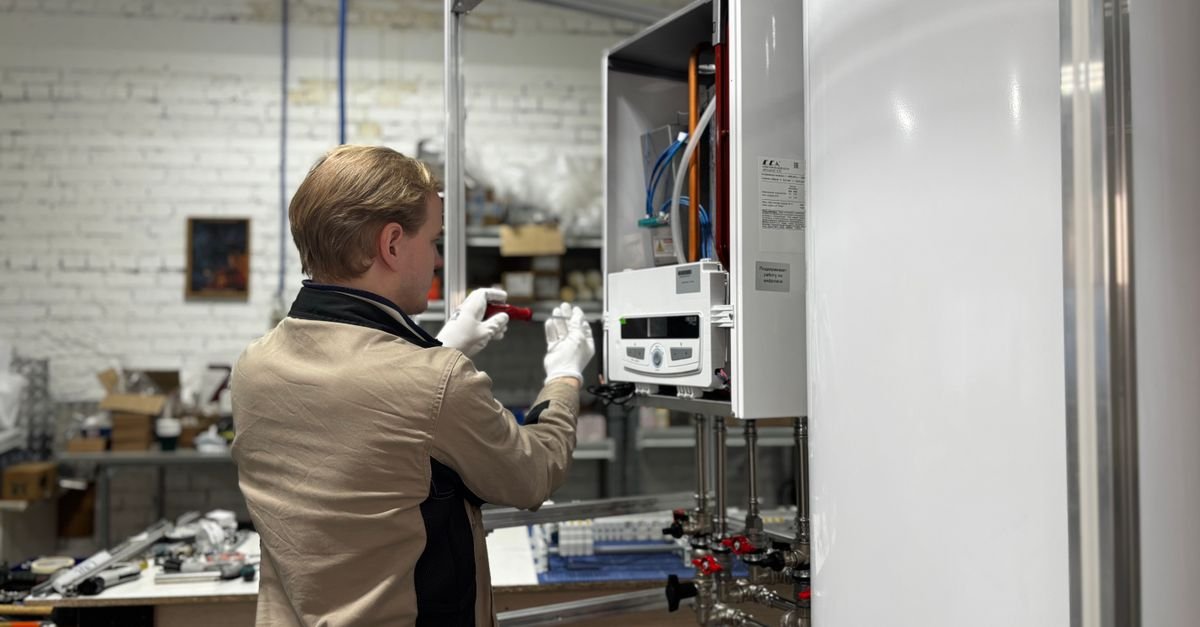
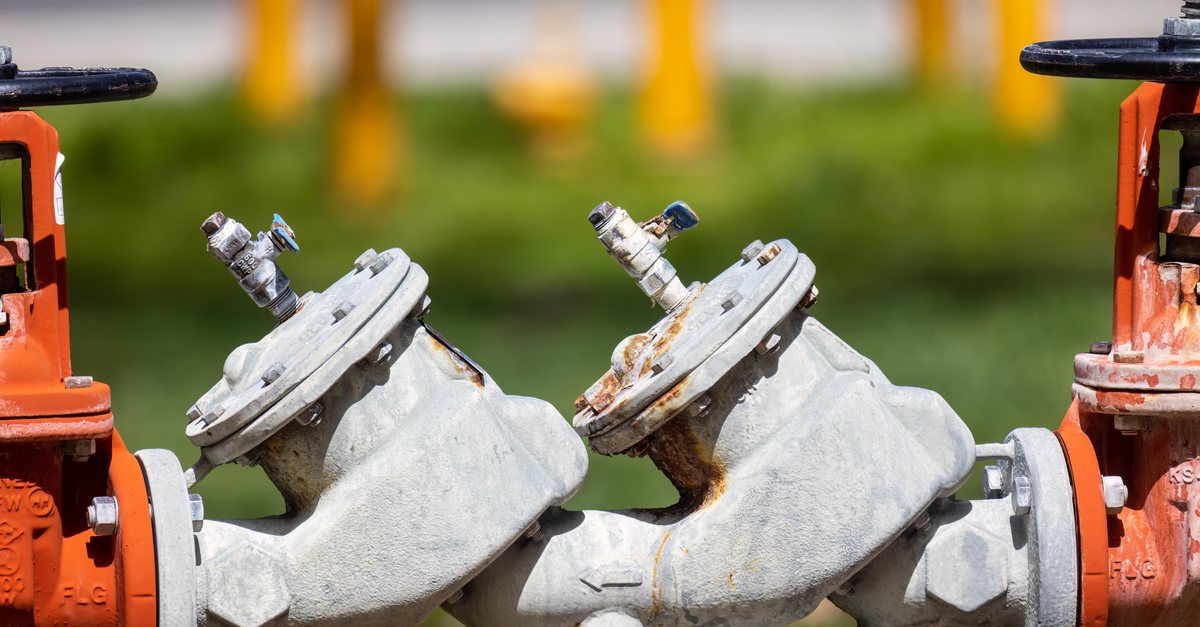
Physics-informed neural networks accelerate gas-network feasibility screening
⚡ AI Executive Summary
Researchers have developed a machine-learning surrogate model based on graph neural networks to rapidly evaluate whether gas networks can handle proposed operating scenarios. The approach combines neural network predictions with physical constraints—particularly mass conservation and pressure consistency—to ensure that candidate solutions remain hydraulically feasible, addressing a key weakness of unconstrained learning models. The framework was tested on large network benchmarks and demonstrated millisecond-scale evaluation times compared to conventional solvers that require seconds per scenario. For integrated energy planners, this work addresses a genuine computational bottleneck in multi-vector system design. As gas, power, hydrogen, and heat networks become more tightly coupled, the ability to rapidly screen thousands of feasible operating points becomes essential for identifying viable infrastructure investments and dispatch strategies. The physics-constrained architecture ensures that planners can trust the model's feasibility judgments without reverting to slower traditional solvers for every candidate, though localized stress conditions may still warrant verification. This accelerant could materially improve the speed and scale of sector-coupling pathway evaluation.
This is a brief summary of reporting originally published by Energy and AI. Read the full article for the complete story:
Read the full story at Energy and AI ↗Related in Research & Academia