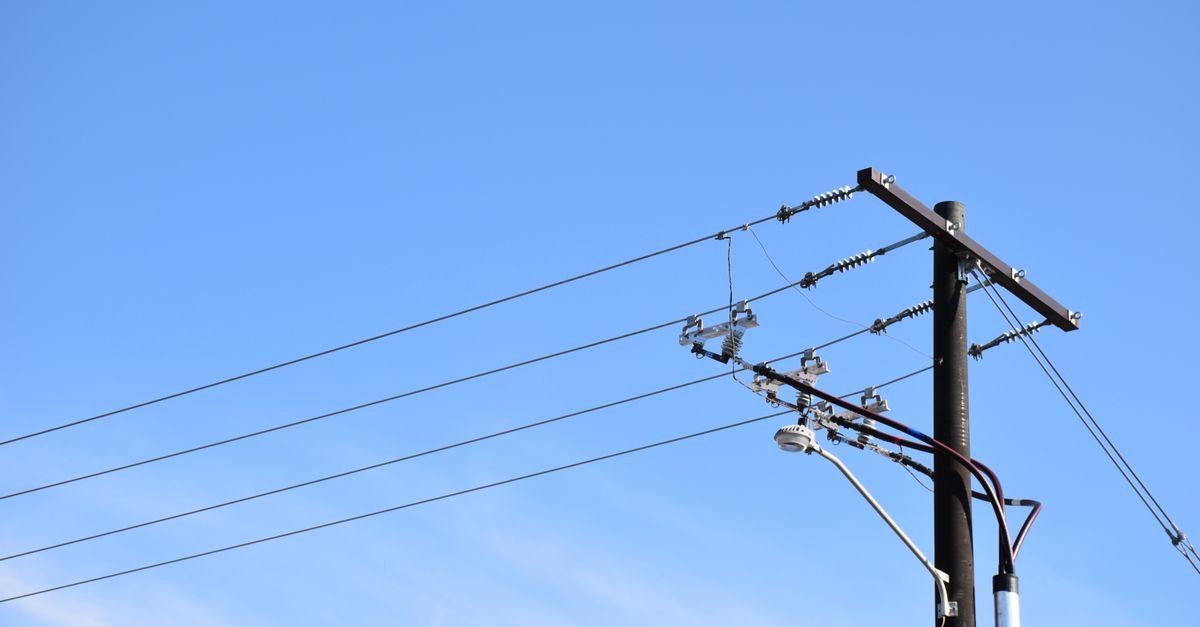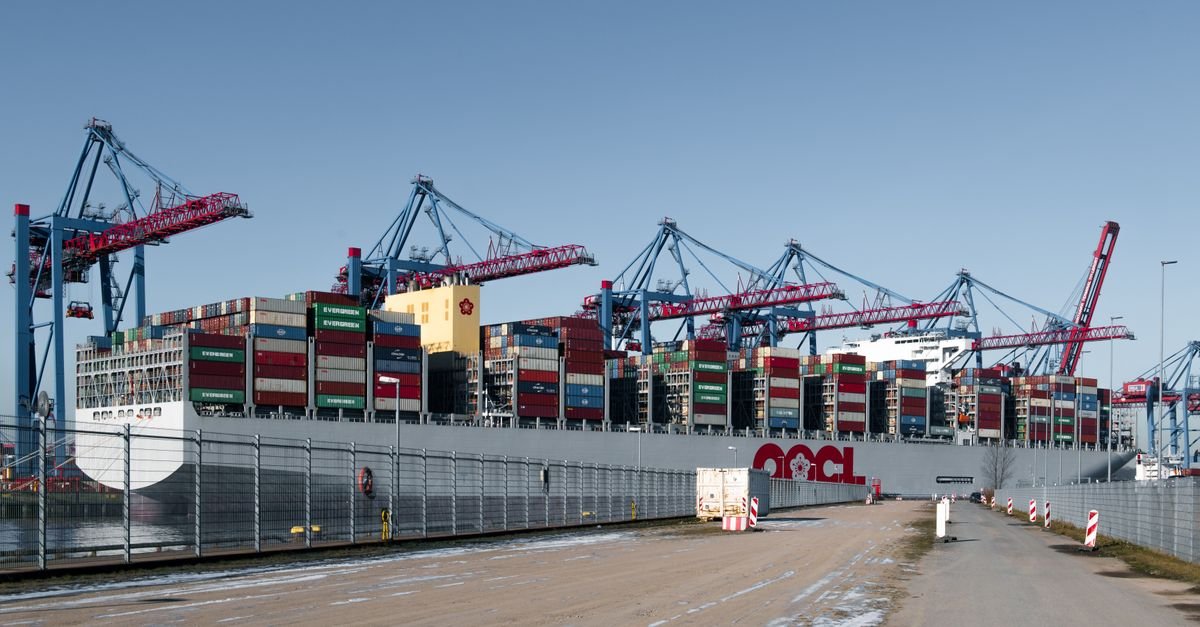
Global ports face mounting pressure to electrify operations while managing unpredictable energy demand patterns. Unlike traditional industrial sites with stable consumption profiles, ports exhibit highly variable loads driven by vessel arrivals, cargo handling, and land-based vehicle electrification. This variability creates significant grid integration challenges, particularly in regions with constrained transmission capacity.
Mediterranean ports exemplify these challenges. Limited existing grid capacity, aging infrastructure, and dense urban interfaces restrict where and how ports can source electricity. Simultaneously, port operators must reduce emissions from maritime activities, heavy machinery, and vehicle fleets—all increasingly dependent on electrical power rather than fossil fuels.
The emerging solution integrates multiple technologies into cohesive port energy systems. Onsite renewable generation—primarily solar and wind—provides clean baseline power. Battery energy storage systems smooth demand fluctuations and provide peak capacity during high-activity periods. Green hydrogen production offers long-duration storage suitable for seasonal demand variations and emerging applications like fuel-cell powered cargo handling equipment and future hydrogen-powered vessels.
Port microgrids enable these components to operate semi-independently from regional grids, improving resilience during transmission disruptions. Intelligent energy management systems orchestrate generation, storage, and consumption in real-time, optimizing cost and emissions while maintaining operational reliability.
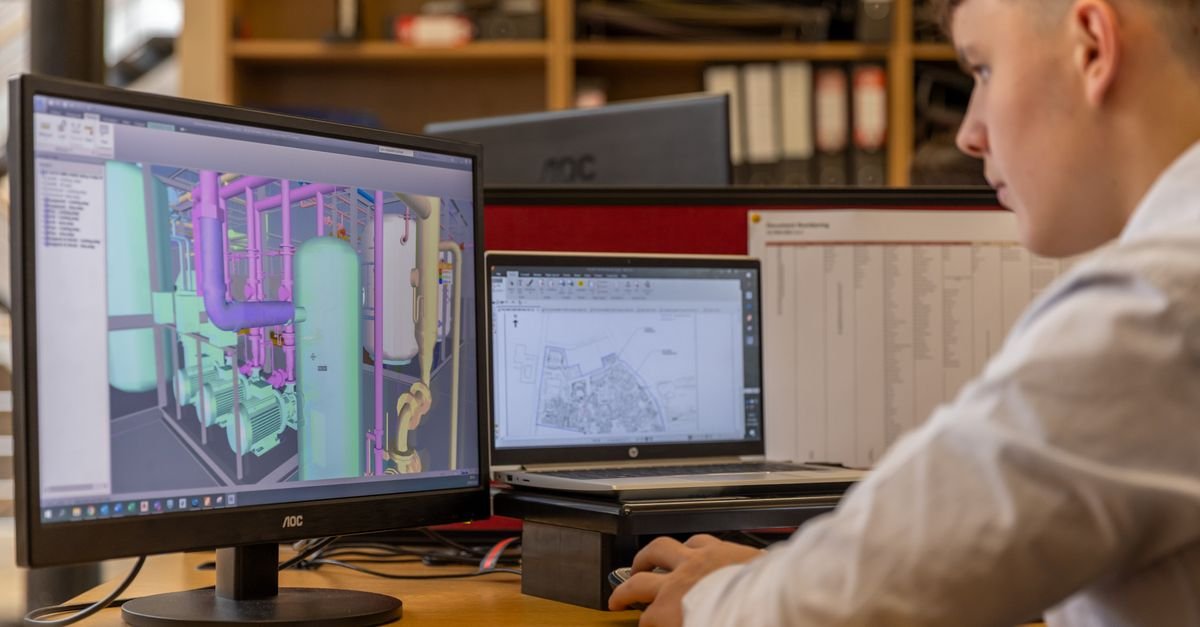
This integrated framework requires sophisticated planning combining renewable resource assessment, storage dimensioning, demand forecasting, and grid interaction modeling. Dynamic simulation tools predict system behavior under varying operational conditions—vessel schedules, weather patterns, and grid tariffs. Optimization algorithms determine optimal capacity sizing and operational strategies.
Successful implementation yields multiple benefits: reduced grid strain during peak periods, lower operating costs through renewable arbitrage, enhanced energy independence, and substantial emission reductions. As ports worldwide accelerate decarbonization efforts and face grid constraints, energy hub concepts are transitioning from research demonstrations to operational necessity. Mediterranean ports serve as proving grounds for technologies and strategies applicable globally.