Urban manufacturing and service clusters face mounting pressure to integrate production, logistics, and services into compact, multifunctional buildings while managing increasingly complex energy demands. Intelligent production buildings (IPBs) serving these clusters operate under dynamic, competing electricity demands from diverse operations—a challenge that traditional energy management approaches struggle to address.
Researchers have developed a hierarchical coordination framework designed to optimize energy consumption across interconnected IPBs within smart city supply chain ecosystems. The system treats building-level power capacity as a shared resource requiring real-time coordination among distributed facilities, much like a microgrid managing multiple consumers.
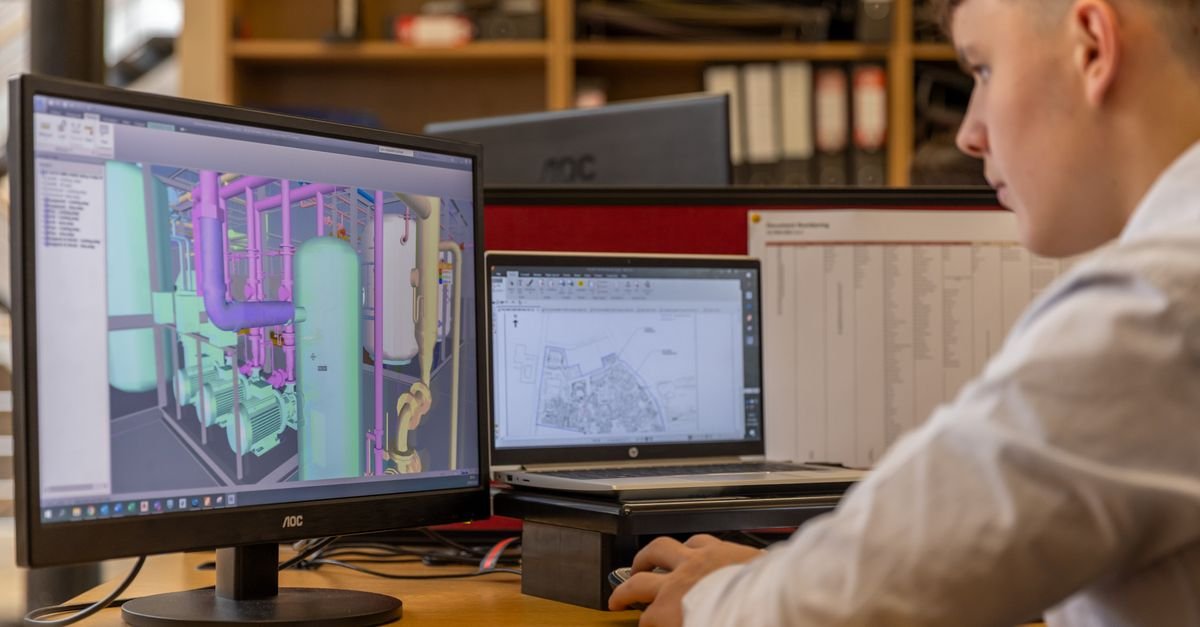
The approach combines IoT-enabled monitoring with digital-twin technology to synchronize energy states across buildings. An integrated information system collects operational data, predicts electricity demand using machine learning algorithms, and provides decision support for load coordination. By analyzing demand patterns across manufacturing, logistics, service, and digital processes, the system identifies opportunities to shift non-critical loads away from peak periods.
Scenario-based testing of the framework in urban manufacturing environments demonstrated measurable benefits. The coordination approach improved overall energy-capacity utilization by optimizing how buildings share finite power supply resources. It also reduced peak-load formation—a critical concern for grid stability and cost management—and enhanced operational stability across interconnected clusters.
The findings suggest that knowledge-driven coordination offers practical value for dense urban environments where space constraints and integration requirements create complex energy management challenges. As smart cities expand manufacturing operations into compact, multifunctional buildings, such coordinated approaches could help reduce infrastructure costs while supporting more resilient, efficient power distribution. Implementation would require standardized data protocols and interoperable control systems across facilities.