As renewable energy communities proliferate globally, sector coupling strategies have emerged as a key mechanism to enhance system flexibility and efficiency by integrating electricity, heating, transport, and industrial demands. However, the infrastructure and conversion losses associated with Power-to-X technologies create complex trade-offs that require rigorous evaluation before deployment at scale.
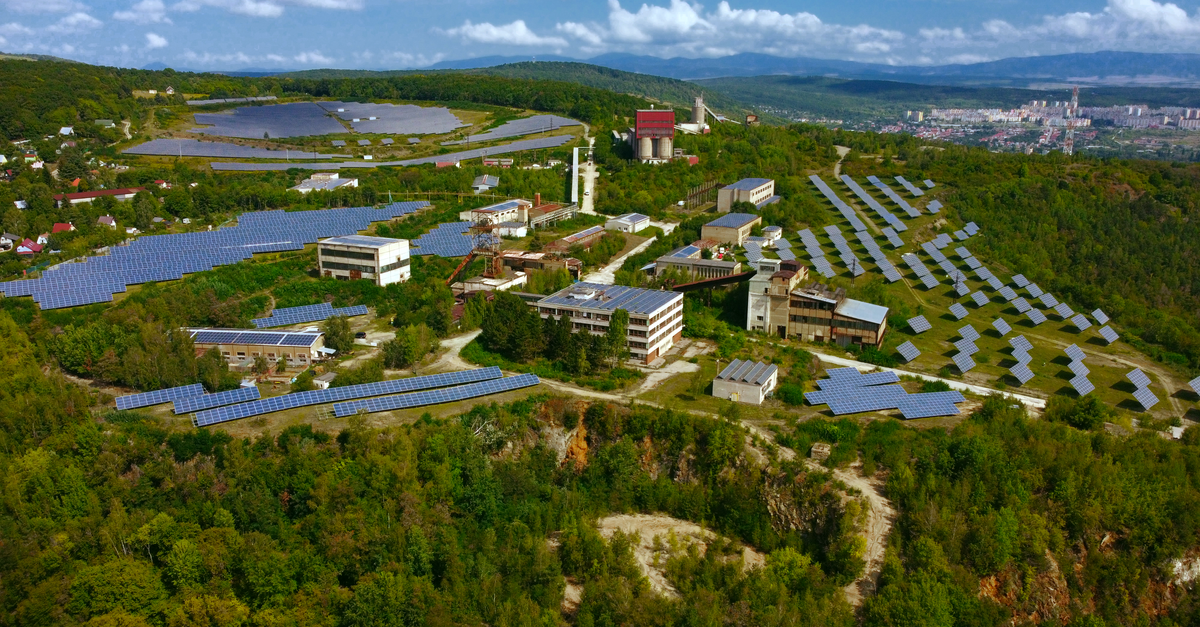
Researchers conducted an integrated assessment of three sector coupling pathways within a regenerated renewable energy community in Southern Italy. The study combined techno-economic modeling with lifecycle assessment to simultaneously evaluate energy performance, financial viability, and environmental impact across all three configurations.
Results demonstrate distinct strengths and weaknesses for each pathway. The Power-to-Power scenario—using battery storage to capture excess renewable electricity—achieved the highest self-consumption rate and increased system self-sufficiency from 46% to 71%. Power-to-Gas, converting excess electricity into hydrogen or methane, delivered the shortest capital payback period at six years, making it most attractive for cost-conscious developers. The Power-to-Gas-to-Power pathway, which adds fuel cell conversion, showed lower economic and environmental performance due to cumulative conversion losses.
From a lifecycle perspective, all renewable configurations substantially outperformed conventional systems, with baseline and Power-to-Power scenarios reducing average impacts by 53% and 44% respectively. Notably, environmental rankings shifted depending on system expansion assumptions and avoided burden methodology, highlighting the sensitivity of lifecycle assessments to methodological choices.
The framework reveals that no single configuration optimizes all objectives simultaneously. Power-to-Power suits communities prioritizing maximum renewable self-sufficiency; Power-to-Gas better serves those seeking faster financial returns and seasonal storage. Decision-makers must weigh local priorities—renewable autonomy, investment capital, environmental targets, and grid support services—when selecting pathways.
These findings advance understanding of sector coupling viability at the community scale and provide a replicable assessment methodology for evaluating similar distributed renewable projects across Europe and beyond.