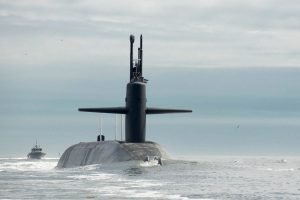
Sandia National Laboratories has successfully concluded production of the W88 Alteration 370 warhead, completing the final unit at the Pantex Plant in Amarillo, Texas, in November. This modernization program represents a critical update to a warhead that has been part of the U.S. nuclear stockpile since 1988 and serves as the nuclear component aboard Ohio-class ballistic missile submarines, paired with the Trident II D5 strategic weapons system.
The Alt 370 modernization addressed aging-related concerns identified through routine surveillance while refreshing key non-nuclear components designed and produced by Sandia to extend the warhead's operational service life. The program achieved full-rate production in 2022, demonstrating the nuclear security enterprise's capacity to meet modernization timelines at scale. NNSA Administrator Brandon Williams emphasized the achievement, noting that completing two final production units for the B61-12 and W88, plus the first unit for the B61-13, within a single year validates the enterprise's core production mission.
With production concluded, Sandia's focus transitions to long-term stockpile sustainment and management. This includes annual health assessments of warheads in the stockpile, maintaining the technical basis for those evaluations, and supporting logistics and field operations. The sustainment team, closely coordinated with production staff throughout manufacturing, will oversee surveillance rebuilds—inspections of units removed from active stockpile—and evaluate compatibility with the next generation of delivery platforms. Looking ahead, activities include assessing integration with future submarine systems and planning for replacement of the surveillance flight test body when it reaches end-of-life.
Sandia's systems integration role remains central to these efforts. Troy Savoie, now managing the W88 stockpile sustainment team, characterized the transition as a beginning rather than an end, noting that significant W88 work continues at Sandia for years ahead. This shift reflects the nuclear enterprise's evolution from production-heavy operations to sustained lifecycle management of modern warheads.