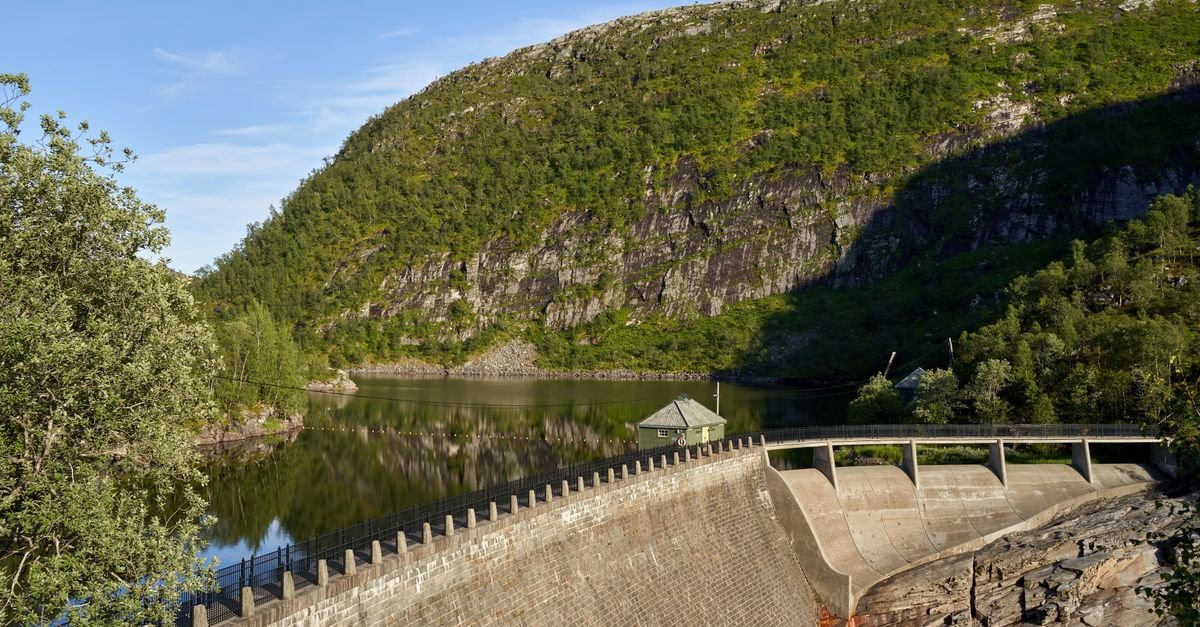
As renewable energy penetration increases globally, grid operators face mounting challenges in managing variability and maintaining stability. Pumped-storage hydropower offers a proven, long-duration energy storage solution, but selecting optimal locations and capacities requires sophisticated planning tools. Researchers have developed a two-stage stochastic programming framework that addresses this complexity by simultaneously optimizing station placement, sizing, and operational capability across multiple uncertain scenarios.
The model incorporates three key uncertainties: renewable generation variability from wind and solar, load fluctuations including electric vehicle charging patterns, and hydrometeorological conditions affecting storage capacity and efficiency. By mapping these uncertainties to regional regulation requirements, the framework quantifies how much storage capacity different areas need to maintain grid reliability. The approach also evaluates candidate sites using a comprehensive database that includes reservoir volume potential, hydraulic head characteristics, round-trip efficiency, construction costs, and interconnection feasibility.
A major innovation lies in the solution methodology. Two-stage stochastic planning models are computationally intensive, particularly at the scale required for national or regional grids. The researchers deployed a hierarchical warm-start strategy that combines variable reformulation, binding mechanisms for unit commitment decisions, constraint tightening, and redundancy elimination. These techniques dramatically reduce solving time without sacrificing solution quality.
Case studies demonstrate that the model accurately characterizes how pumped-storage stations should be distributed geographically and sized to adapt operationally to different weather and demand scenarios. Results show improved computational efficiency compared to standard solution approaches, enabling utilities to evaluate numerous candidate sites and configurations rapidly.
This work directly supports grid planners in countries transitioning to high-renewable energy systems, particularly those with suitable topography for pumped-storage development. By providing scientifically rigorous planning guidance, the methodology helps allocate scarce storage resources where they deliver maximum grid value, supporting the reliability and cost-effectiveness of modern power systems.