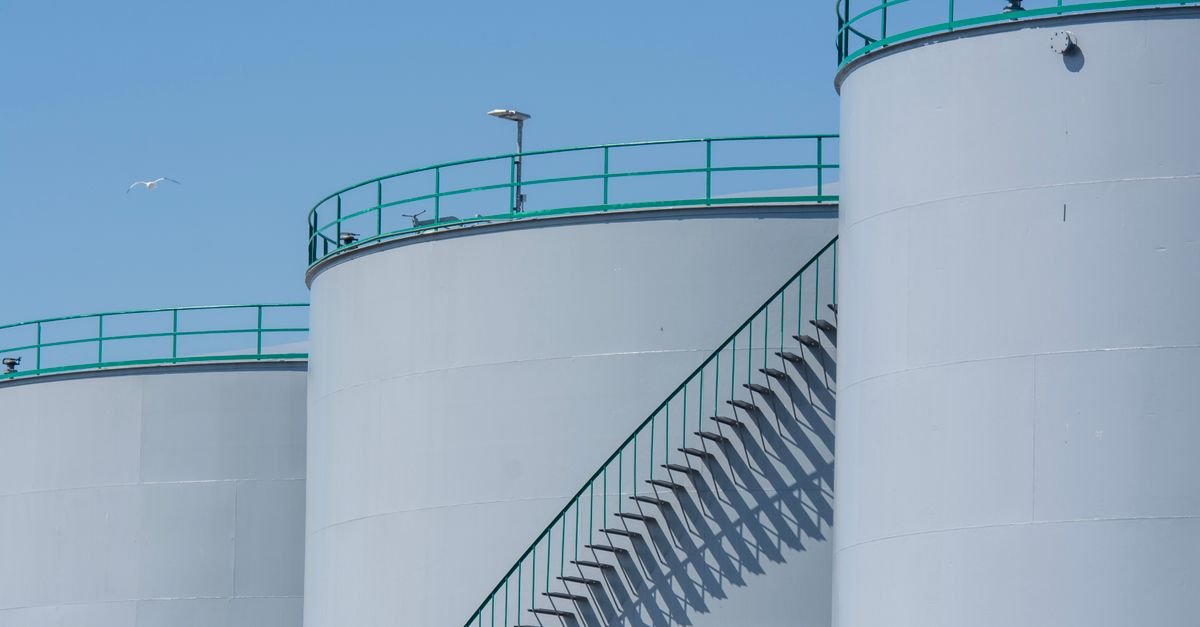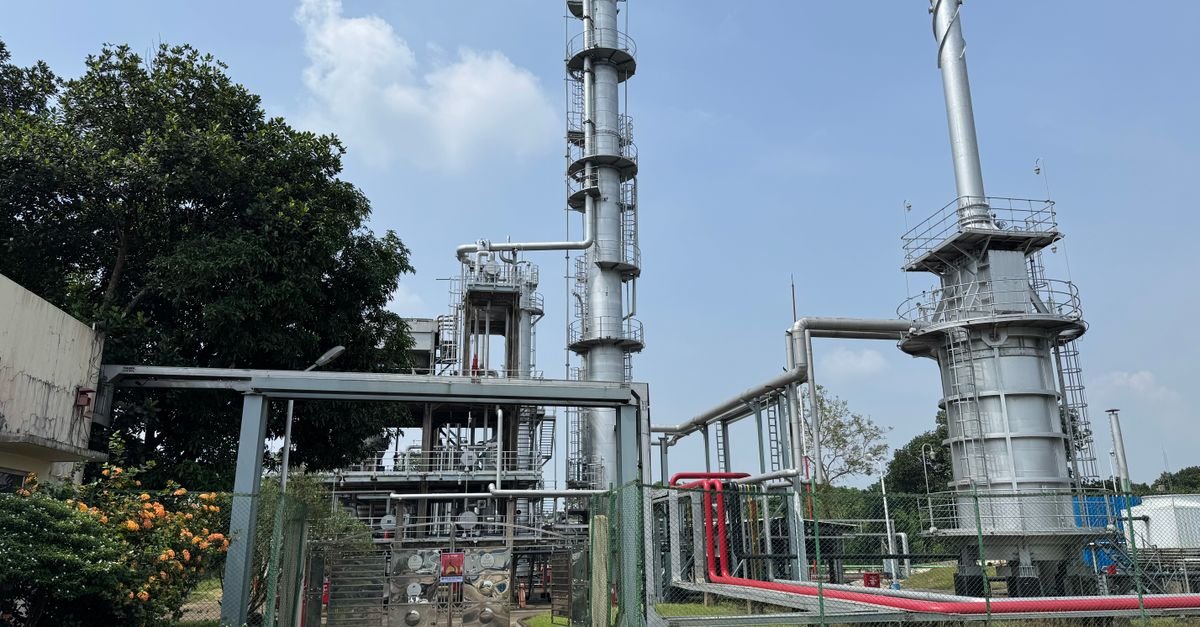
Natural gas spot prices across California fell to historically low levels during the first five months of 2026, according to market data tracking key regional pricing hubs. Both Northern California's PG&E Citygate and Southern California's SoCal Border Average recorded all-time lows, while SoCal Citygate prices approached but did not fully breach prior record lows set during the broadly depressed national gas market of 2024.
Analysts point to two primary drivers behind the price suppression. First, regional storage inventories have remained above seasonal averages, reducing the urgency premium that typically supports spot pricing during periods of elevated demand. Second, in-state consumption of natural gas for power generation has declined measurably, reflecting the continued displacement of thermal dispatch by California's expanding renewable energy portfolio, including utility-scale solar and wind resources.
For power system operators and grid planners, the pricing environment carries several operational and economic implications. Lower gas costs reduce the marginal cost of peaking and mid-merit gas units, potentially flattening the energy price curve and compressing spark spreads for gas generators. At the same time, reduced gas burn for electricity production aligns with California's long-term decarbonization trajectory and its mandate to phase down reliance on fossil-fueled generation.
Market participants will be watching whether the low-price regime persists into the summer peak demand season, when elevated cooling loads historically tighten gas supply balances and push hub prices higher. Should inventories remain robust and renewable generation continue to suppress thermal dispatch, California could sustain below-average gas prices through mid-year, with broader implications for wholesale electricity market clearing prices across the Western Interconnection.