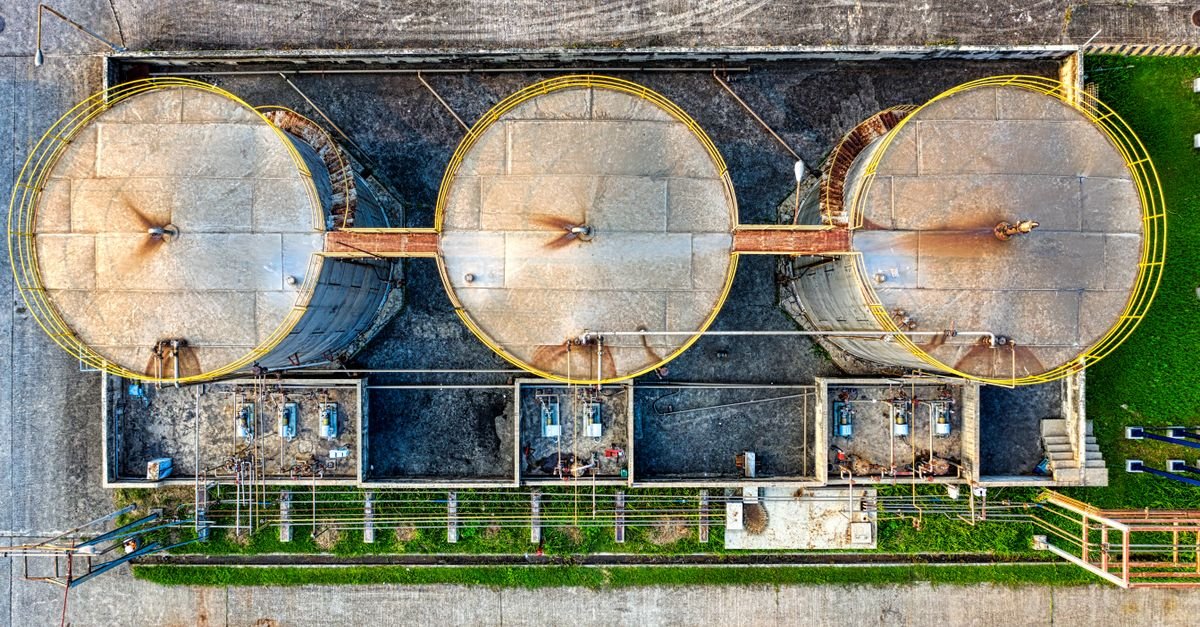
Underground natural gas storage capacity across the contiguous United States edged higher in 2025, according to newly released data from the U.S. Energy Information Administration. The gains were not evenly distributed geographically — the South Central and Mountain regions accounted for the bulk of the incremental capacity additions, reflecting ongoing infrastructure investment in those areas.
Natural gas storage plays an essential role in maintaining energy reliability across the country. By holding reserves underground during periods of lower demand, operators can rapidly supplement pipeline supply when consumption surges — whether driven by extreme winter heating loads, summer cooling peaks, or unexpected production shortfalls. This balancing function is particularly critical as variable renewable energy penetration increases and grid operators seek flexible dispatchable resources to backstop generation.
The EIA tracks storage capacity through two distinct methodologies. Demonstrated peak capacity measures the highest inventory level actually observed in a given storage facility, reflecting real-world operational performance. Working gas design capacity, by contrast, is an engineering-based estimate of the maximum volume a facility is designed to hold under optimal conditions. Both metrics recorded increases in 2025, suggesting that the capacity growth reflects genuine operational improvements as well as infrastructure expansions.
While the overall increase was modest, incremental additions to storage infrastructure carry meaningful implications for regional energy markets. Adequate storage buffers help moderate price volatility, support pipeline system reliability, and provide utilities with greater operational flexibility. As the U.S. energy mix continues to evolve — with natural gas serving as both a primary generation fuel and a complement to intermittent renewables — maintaining and expanding storage capacity will remain a strategic priority for grid planners and energy policymakers alike.