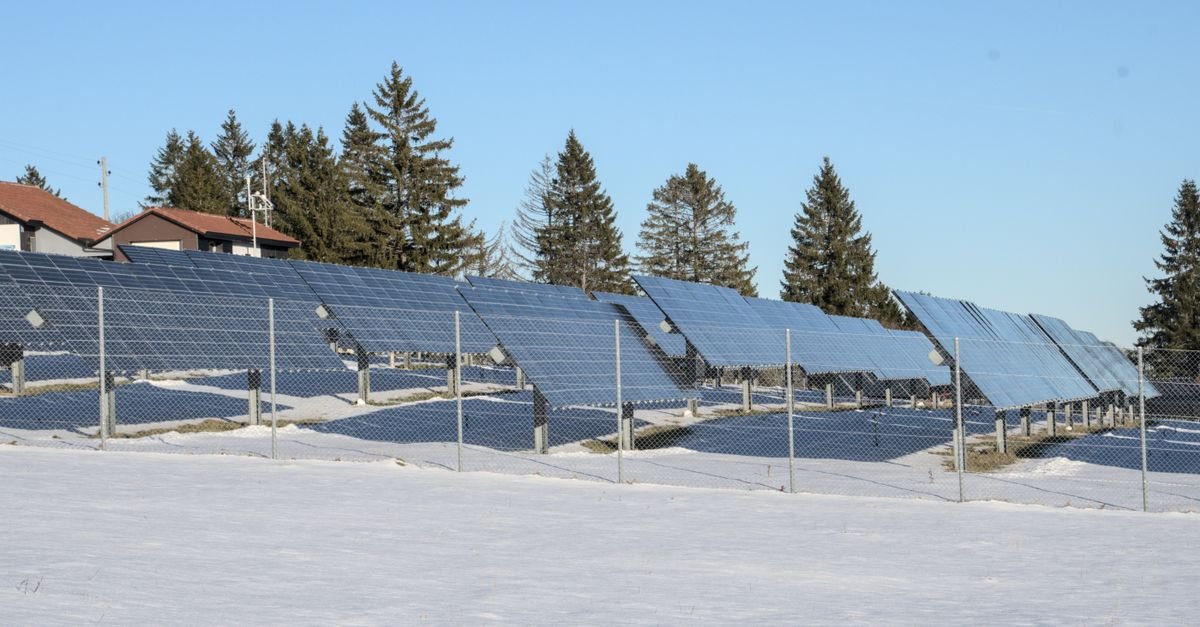
California reached a significant energy transition milestone in early 2026, with utility-scale solar generation surpassing natural gas for the first time during the opening five months of the year. Data from the California Independent System Operator's Hourly Electric Grid Monitor reveals that solar electricity generation jumped 21% compared to the same period in 2024, while natural gas generation contracted dramatically by 60%.
This transformation reflects multiple converging factors shaping California's power sector. Continued deployment of solar capacity, coupled with efficiency improvements in panel technology and inverter systems, has expanded the state's renewable generation potential. Simultaneously, the phase-out of aging natural gas plants, retirement of unprofitable fossil fuel infrastructure, and increased renewable energy mandates have reduced reliance on gas-fired generation.
The achievement carries substantial implications for grid operators and system planners. While solar's cost competitiveness and zero-fuel-cost advantages make it economically attractive, high solar penetration introduces technical challenges around variability and ramping rates. CAISO must balance generation adequacy during peak demand periods with oversupply conditions during midday solar peaks, placing greater pressure on energy storage, demand flexibility, and transmission infrastructure.
The dramatic reduction in natural gas generation also highlights California's progress toward decarbonization targets, though questions remain about grid reliability and the adequacy of storage resources to address seasonal and multi-day variations. Battery storage deployment, demand response programs, and interconnection of import capacity will likely play critical roles in supporting continued renewable growth.
Industry observers note that California's experience provides a real-world case study for other regions pursuing aggressive renewable portfolios. The state's ability to integrate high solar penetration while maintaining system reliability will influence policy discussions and investment strategies nationwide.