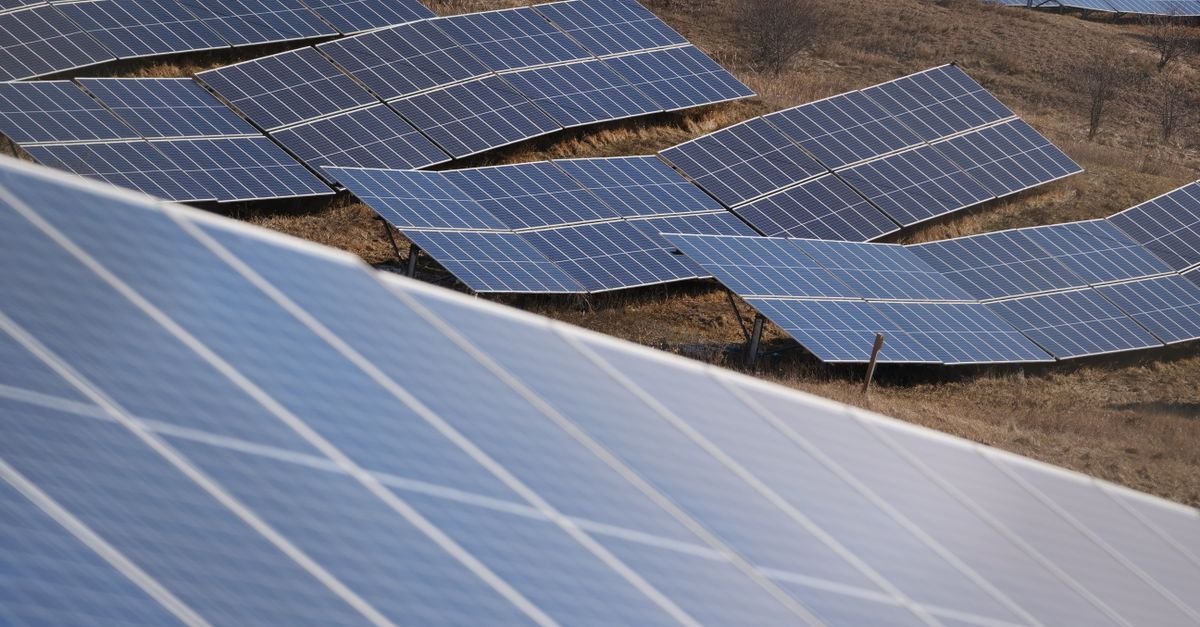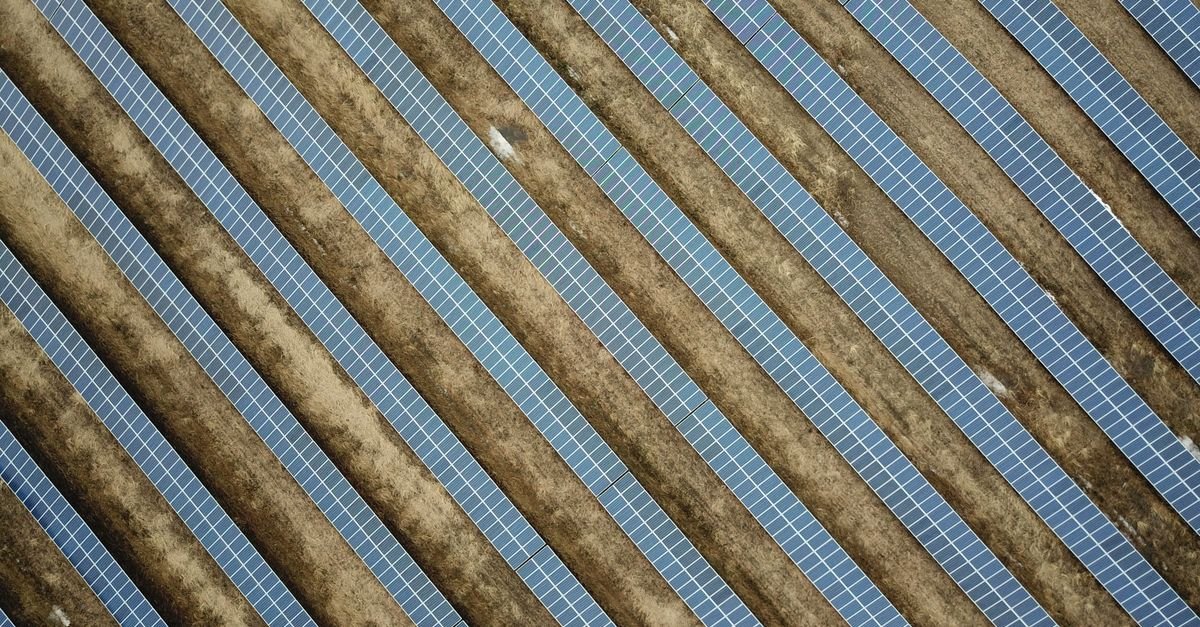
New York's independent system operator (ISO) is observing a measurable shift in electricity consumption patterns driven by the proliferation of small-scale solar installations across the state. During midday hours, when solar resources are most productive, the demand for metered electricity from the grid has declined noticeably, particularly in early spring months.
The effect is most pronounced in March and April, when multiple factors converge: solar generation capacity is optimized by favorable weather conditions, while overall electricity demand remains relatively moderate compared to peak winter and summer periods. This seasonal characteristic creates a significant dip in grid demand during peak solar production hours, a phenomenon increasingly common in regions with substantial distributed solar penetration.
Small-scale solar—primarily rooftop installations on residential and commercial buildings—generates electricity behind the meter, reducing the load that the ISO must serve through centralized generation and transmission infrastructure. As more customers install these systems, the aggregate effect becomes operationally significant for grid planning and real-time management.
This trend presents both opportunities and challenges for grid operators. While distributed solar reduces demand on transmission infrastructure and can defer capital investments in centralized generation, it also introduces variability and complicates load forecasting. The rapid cloud cover changes that accompany spring weather patterns can cause sharp fluctuations in grid demand as solar output changes minute-to-minute.
The declining overall electricity load in New York, combined with increased solar penetration, is reshaping the ISO's operational requirements. Grid operators must refine demand prediction models, adjust reserve margins, and coordinate ramping rates from conventional generation sources to maintain stability during high solar production periods. This evolution reflects the broader transformation of North American grids as distributed energy resources become increasingly prevalent.