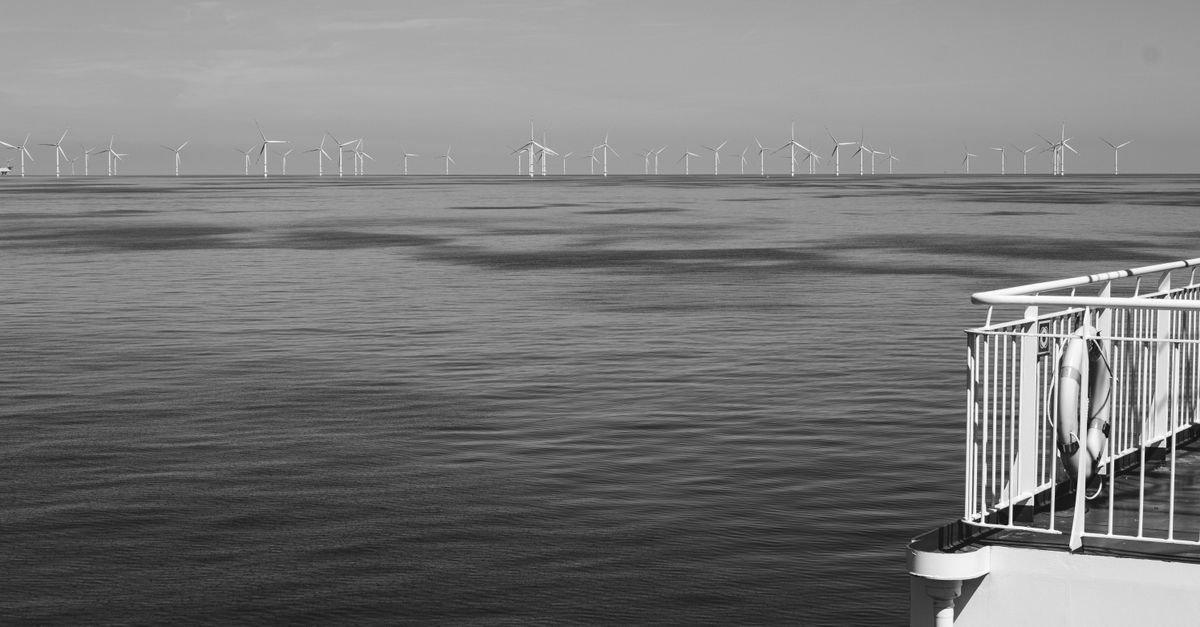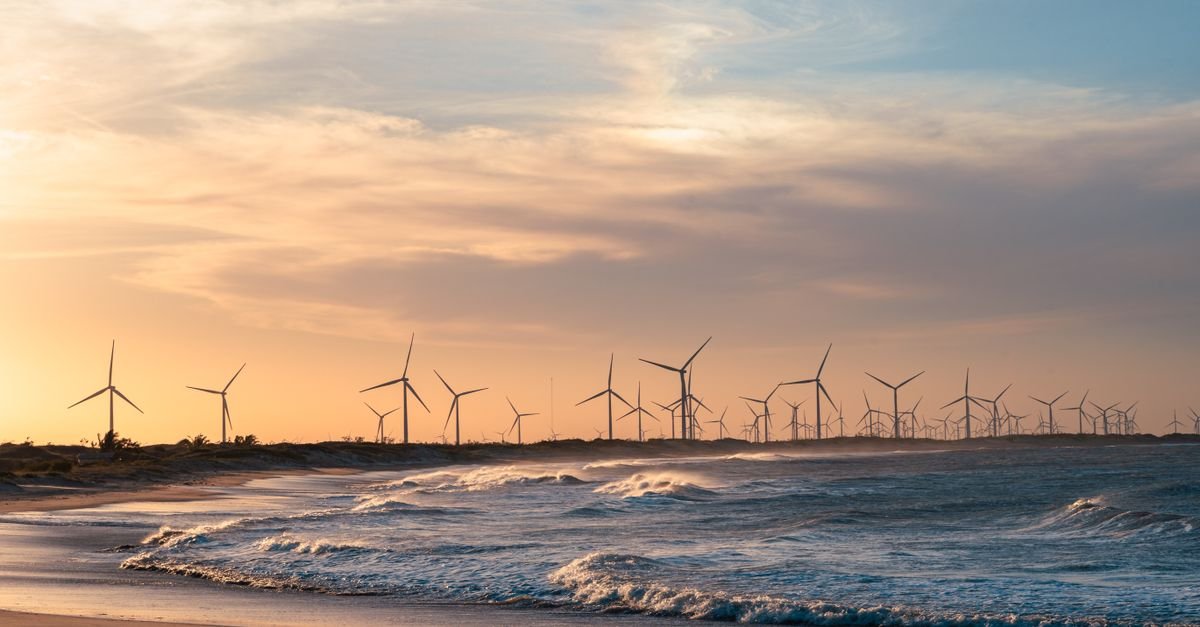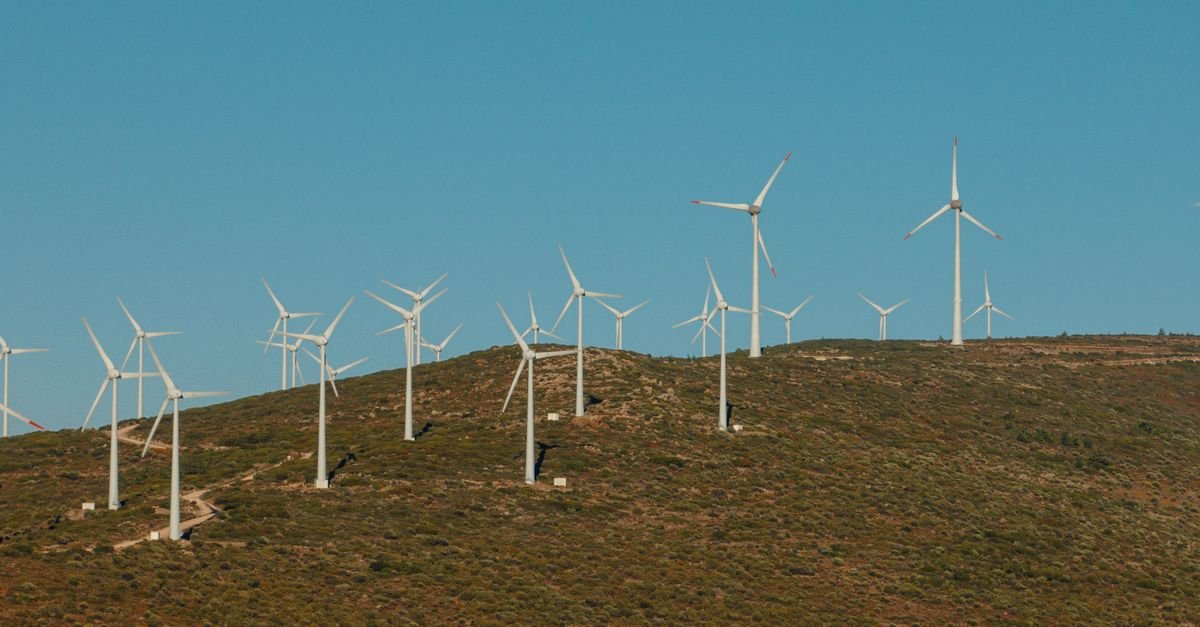
Europe's wind energy sector stands at a critical juncture. While the continent has established itself as a global leader in per capita wind capacity—averaging 515 watts per person compared to 443 W in the United States and 368 W in China—the pace of deployment must accelerate dramatically to meet ambitious 2030 targets.
The European Union's current installed wind capacity of 231 GW represents a significant achievement, contributing over 18% of the bloc's electricity consumption. However, the EU's RePowerEU initiative demands 510 GW by 2030—more than double existing capacity. At the present installation rate of approximately 7% annual growth, this goal remains unattainable without substantial intervention.
Technological advances and falling manufacturing costs once positioned wind as one of the world's cheapest electricity sources. Recent disruptions tell a different story. Supply chain bottlenecks, elevated component costs, and inflation have pushed levelized costs of electricity higher, complicating investment decisions for developers and utilities across the region. Meanwhile, global wind capacity distribution reveals a competitive landscape: China leads absolute capacity at 522 GW, while the EU and United States follow with 231 GW and 153 GW respectively.
To double capacity within eight years, the EU must accelerate installation rates to approximately 14% annually—a considerable challenge given current market conditions. Beyond raw capacity expansion, grid infrastructure presents an equally daunting challenge. Existing transmission networks struggle with curtailment and congestion, particularly in regions with high wind penetration. System flexibility, energy storage, and demand management must evolve in parallel with generation capacity.
Policy frameworks must address interconnection delays, permitting processes, and investment certainty. Strengthened economic incentives, including auctions and long-term contracts, can attract capital despite market volatility. Cross-border transmission expansion will facilitate efficient power sharing and reduce regional congestion. Success requires coordinated European action addressing supply chains, grid modernization, and regulatory harmonization—not capacity expansion alone.