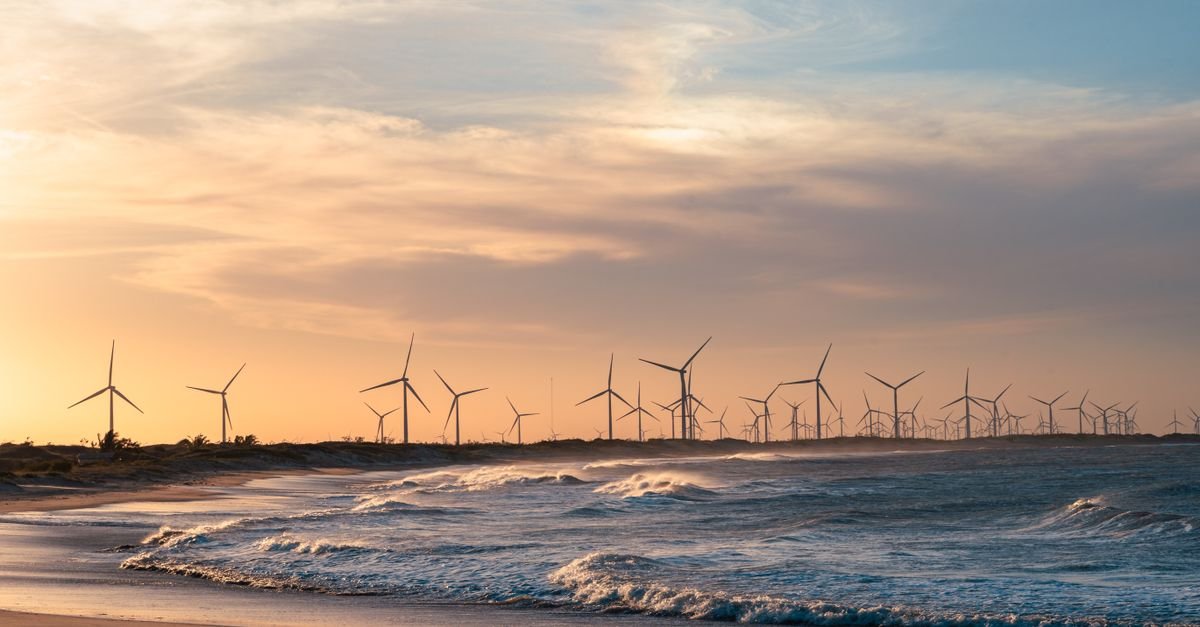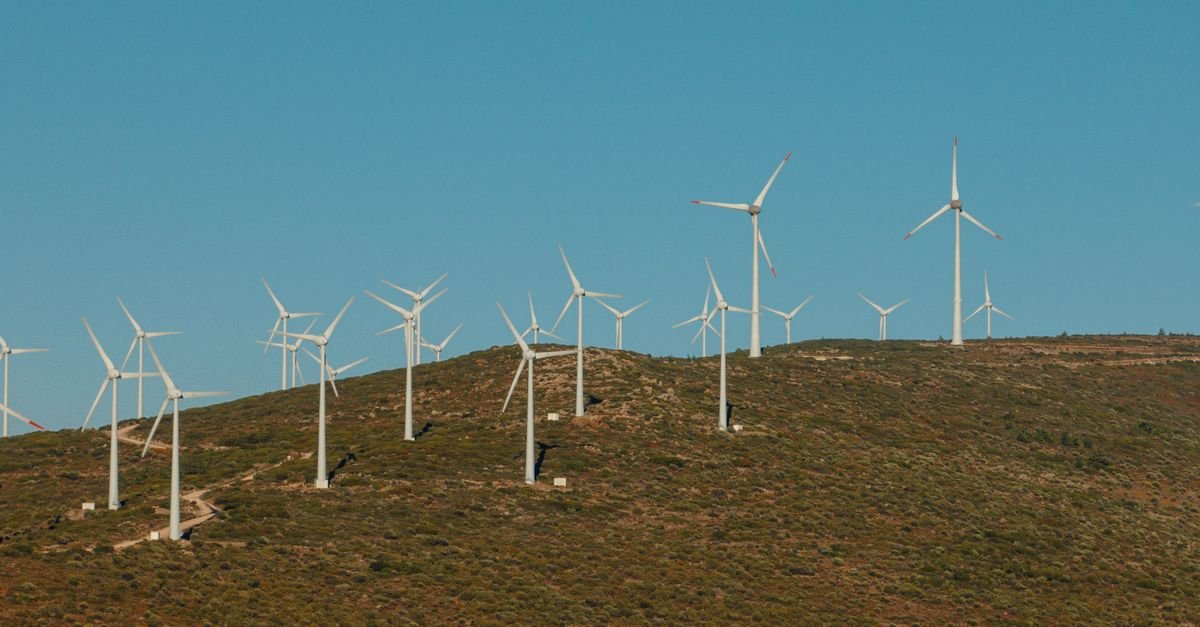
Offshore wind farms face mounting economic pressure as projects expand to greater distances and larger capacities. Traditional HVDC solutions using modular multilevel converters (MMCs) have become increasingly costly, bulky, and heavy—creating logistical and financial barriers to deployment in remote offshore environments.
Diode rectifier units (DRUs) present a compelling alternative. They are significantly more compact, lightweight, inexpensive, and reliable than MMCs, with lower operating losses. However, DRUs suffer from a fundamental limitation: they lack active control capability and cannot independently stabilize the offshore AC voltage network. Conventional grid-following wind turbines cannot compensate for this deficiency, making DRU-based systems unsuitable for most offshore applications.
To overcome this barrier, researchers developed a grid-forming control strategy applied to doubly-fed induction generators (DFIGs)—the most widely deployed turbine type in existing wind farms. Unlike grid-following designs, grid-forming controllers enable DFIGs to actively support voltage and frequency stability, functioning similarly to synchronous generators. This allows them to maintain a stable AC network even when paired with passive DRU systems.
The team created a mathematical model of the DFIG and designed control algorithms to implement grid-forming behavior. Detailed simulations in PSCAD/EMTDC confirmed that the proposed strategy maintains voltage and frequency stability under fault conditions, ensures continuous DRU operation, and achieves fault ride-through without external support.
Recognizing practical constraints, the researchers further proposed a hybrid scheme combining both grid-following and grid-forming DFIGs. This approach reduces the cost burden of retrofitting all turbines while preserving system stability and fault tolerance.
The hybrid strategy represents a pragmatic solution for large-scale, long-distance offshore wind development. By pairing cost-effective DRU HVDC systems with selectively grid-forming turbines, developers can substantially reduce capital expenditures while maintaining the reliability standards essential for offshore operations. This work directly addresses the economic and engineering challenges constraining offshore wind expansion globally.