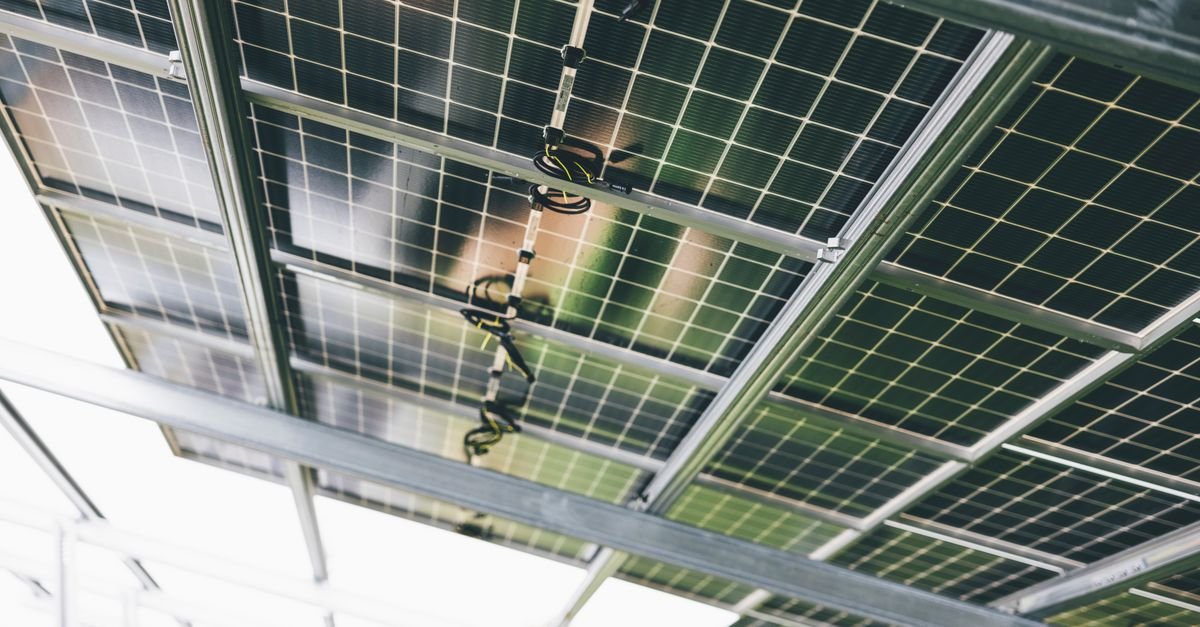
Phase Change Materials Boost Solar Panel Efficiency in High Heat
⚡ AI Executive Summary
Researchers tested passive cooling methods for photovoltaic panels using phase change materials (PCM) in a hot climate environment. The study compared monocrystalline and polycrystalline panels with and without PCM integration, measuring temperature reduction and electrical output under demanding outdoor conditions. The findings demonstrate that thermal management directly addresses a critical weakness in solar deployment: efficiency loss at elevated operating temperatures. As global energy systems push toward higher renewable penetration, especially in arid and tropical regions, cost-effective thermal regulation becomes a practical lever for grid operators seeking to maximize resource productivity without additional cooling infrastructure. PCM solutions are passive and require no active power input, offering potential economics advantages for distributed solar assets. The research suggests targeted deployment strategies—particularly monocrystalline configurations—could yield meaningful gains in output density and equipment longevity in hot climates.
This is a brief summary of reporting originally published by Next Energy. Read the full article for the complete story:
Read the full story at Next Energy ↗Related in Solar & Wind